
The flail mulcher is an indispensable tool for every farmer, which is why the choice of mowing tools, mallets and knives, is essential for successful work.
There are several types of these tools on the market, and choosing the right one for your terrain involves careful evaluation. In fact, not only the choice of the implement used, but also the soil conditions (sandy or stony), the type of crop, and the size of the residues to be shredded are what decrees successful work.
For good work performance, it is also generally indicated not to work in the presence of stones, which could compromise the integrity of the mulcher. However, stronger mallets and knives can destroy small stones, but it is always recommended to avoid crushing stones and to remove them from the path of the tractor machine where they are visible to the operator.
There are three types of tools on the market that can be inserted into one’s mulcher:
- Knives
- Smooth bats
- Toothed clubs
The differences between flail mallets and flail mower knives
The use of one tool over the other follows a general, but not always agreed upon, guideline. In fact, it is a common idea to think that mallets are not suitable for grass mowing, however, field results show that mallets also mow grass effectively.
Each implement has a function that acts most effectively under certain conditions, and that may also, and especially, depend on the condition of the ground.
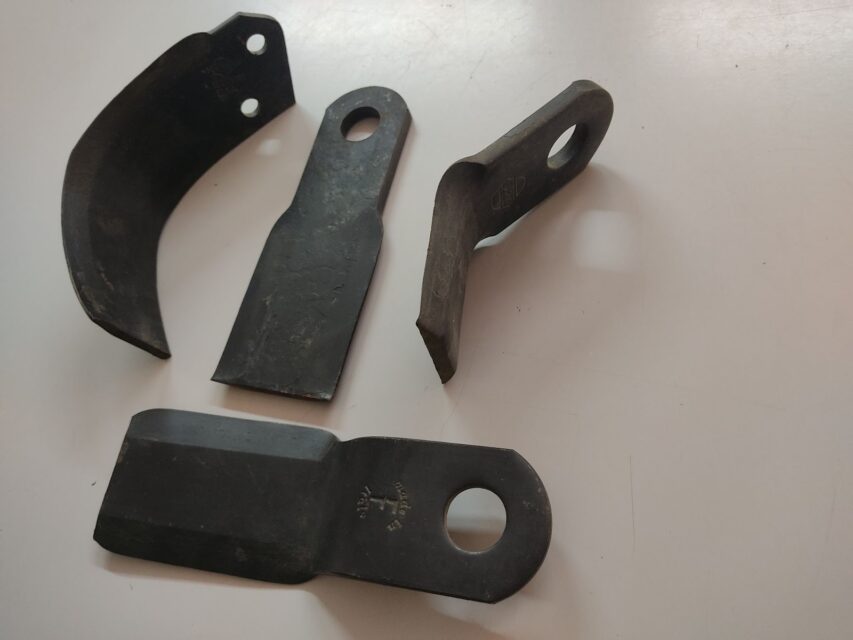
The knives have less mass than the mallets, which is why they work best in fields that have small frasses. There are different types of knives that differ in both shape and height. Knife heights affect the height of the mulcher case accordingly with the same rotor diameter. Usually the taller knives, (high box mulcher) are highly valued in cutting and mowing grass, for cereal crops, sunflower fields and straw.
Straw would deserve its own reflection. In fact, through the “ventilation” that the knife gets while working the rotor, combined with the rear diffusers, the pruning residue can be spread over the fields (with benefits known to all operators).
Generally, but not always, this implement is mounted on mulchers with a lighter weight.
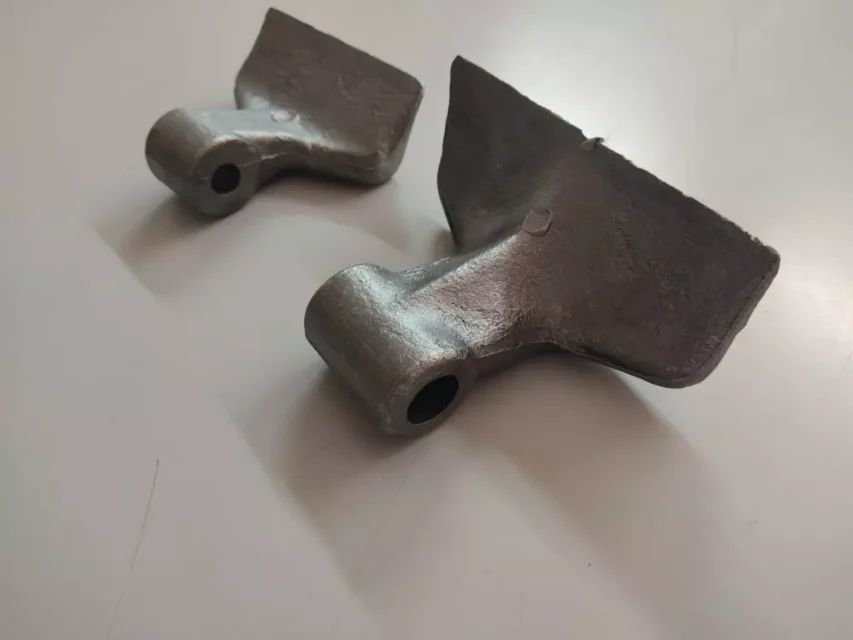
Smooth Maces, on the other hand, work best when the soil has large branches, underbrush and thicker pruning residues. The presence of a more uniform mass also allows for even work on the grass (contrary to common opinion). Farmers generally prefer to use this tool with larger flail mowers and for various types of work, which are often heavier.
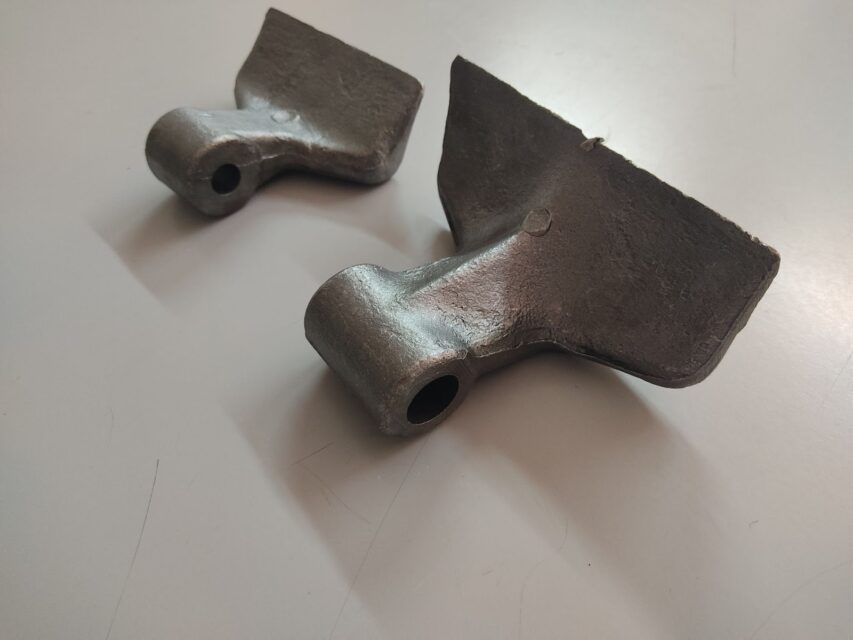
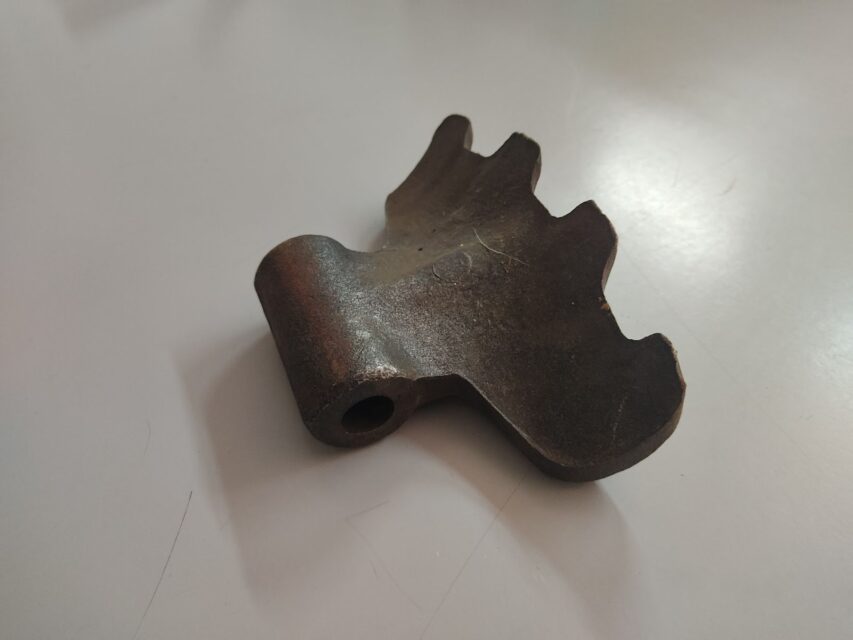
Finally, toothed hammers perform the same functions as common hammers,but their choice depends greatly on the design of the mulcher or the technical needs of the manufacturer.
When to replace tools
The knives, or mallets, are the most worn tools (or components) of the flail mower. Their consumption should always be supervised in order to avoid inaccurate processing results, as well as generating technical problems that could lead to excessive vibration of the flail mower due to uneven club consumption.
In case of excessive wear on the mallets or knives, immediate replacement of the tools should be arranged.