
In agriculture, protecting the health of the operator is just as important as protecting crop products, which is why it is important for farmers to wear personal protective equipment (PPE) at all times.
In fact, there are many risks of injury for those working on the land, which is why PPE is not only recommended but also made mandatory by law. The reference law in this matter is LD 81/08, which codifies occupational safety and related anti-injury regulations.
The above legislation, in Title III Chapter II, regulates the use of personal protective equipment for agricultural operators, and codifies obligations and duties for both the operator and the employer.
The legal requirements for PPE
LD 81/08 defines personal protective equipment as the equipment that operators must wear individually in order to minimize the risk of injury.
To this end, Italian law defines these devices in these terms:
- They must reduce risks to the operator and not create greater ones, and must always be appropriate for the type of work performed
- They must be ergonomic, i.e., easily adaptable to the physiognomy of the user and must always take into consideration the health status of the operator
- They are required to be adaptable to the needs of the operator and the type of work to be done
- Must be compatible with other PPE to protect multiple hazards
- PPE placed on the market must bear the manufacturer’s markings and information note, written in Italian, as well as the name and address of the manufacturer or his authorized representative in the European Community and any information relevant to the use of the device
- Must indicate instructions for use, storage, cleaning, disinfection, maintenance, and overhaul in Italian language
- They are required to report the degree of protection from the risk they intend to prevent, as well as the limit of uses
- Report the expiration date
- Report the type of packaging suitable for transporting the PPE
- Have clear indications of pictograms
- Must have the address, name, identification number of the notified bodies involved in the certification phase of the personal protective equipment
In addition, the employer must take note of the potential hazards of the work and work toward the provision of PPE suitable for the production activity.
The worker’s obligations to personal protective equipment
The agricultural worker is not exempt from obligations to protect his or her own safety, which is why DL 81/08 indicates necessary conditions for the worker to protect health:
- Strictly adhere to the directions for use
- Care for PPE and replace it when it is worn and damaged
- Stow protective equipment in personal lockers or company storage sites after use is over
- Do not modify the equipment
- Report equipment anomalies or malfunctions to the employer
Personal protective equipment in agriculture
In the agricultural field, the risks to the health of operators are many and are divided as follows:
- Chemical factors: inhalation of chemicals or ingestion of chemicals
- Physical factors: vibration, loud noise, electrical hazards, thermal hazards, optical and solar radiation, and mechanical hazards
- Biological factors: viruses, bacteria, fungi and other pathogens
- Cross hazards: related to the use of machinery and equipment
In the agricultural field, the PPE to be compulsorily used are as follows:
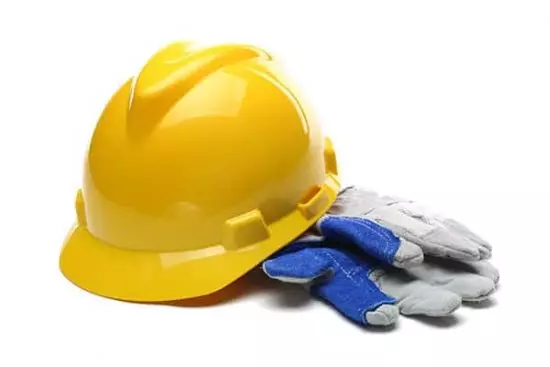
- Gloves: hand protection in manual handling and increase grip when operating machinery
- Goggles: eye protection from liquids, dust and debris as well as light radiation
- Helmet: protection of the head from falling materials from heights and/or falling to the ground by the operator
- Overalls: body protection from scratches and abrasions
- Safety footwear: protects the lower limbs from debris and reduces the risk of the operator falling to the ground
- Visor: eye protection from light and debris from above
- Hearing protection devices: protect the hearing from loud sound stresses
- Masks: respiratory protection from gases and dusts
- Protective equipment for those performing work at high altitudes