
The beginning of the year, in the world of agriculture, means one thing above all: wheat, Among the most common threats to this grain is Septoria.
Wheat is, along with corn, the most widely consumed cereal in the world, mainly because of its use to produce flour, which is useful for bread-making and pasta-making. Precisely because of its wide, and extensive, consumption, protecting the ears of corn during cultivation is crucial.
What is Septoria?
Septoria is an ascomycete fungus, part of the Mycosphaerellaceae family. The spread of this pest, which affects not only wheat but also several vegetables, is through water.
In fact, causes leading to the spread of this fungus include:
- High degree of humidity
- Drip irrigation
- Vegetation water on leaves and/or spikes
- Temperature around 18°
In addition, these fungi can also be transmitted by wind or by infected work tools that have not been properly cleaned by the farmer.
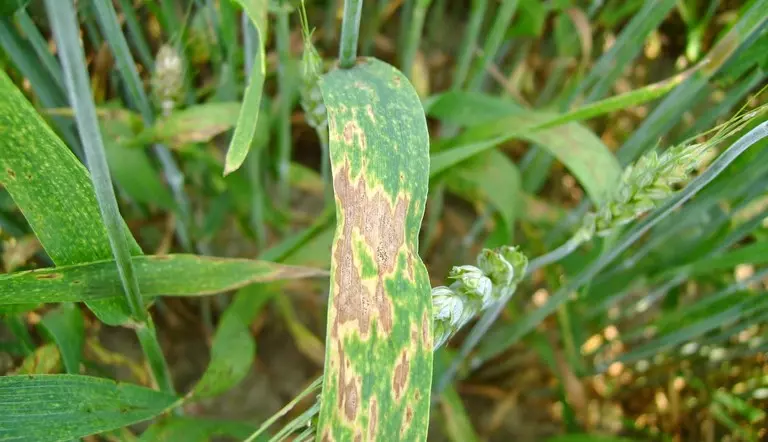
This pest presents itself, even visually, through the creation of tiny fungi that damage the plant and create turf.
The proliferation cycle involves two types of infections: primary and secondary. Primaries occur when climatic conditions, including temperature and humidity, activate the fungus. Later, in secondary infection, pycnidia are created that create conidia harmful to the ear.
The spikes, and leaves, are rich in spots, between gray and brown, indicative of cell death of the vegetation.
How to prevent Septoria
Given the root cause of Septoria, i.e., climate, plants need a defensive treatment to cure wheat ears affected by this pathogen.
The most commonly used practices to protect against this fungus are:
- Crop rotation
- Burying crop residues
- Employing tolerant varieties
- Balanced fertilization
- Seed tanning
- Employ fungicides
- Preventational models
- Treatments with weed bars