
The flail mulcher is an indispensable piece of machinery for every farmer, and the fundamental organ for the perfect functioning of this machine is the rotor.
This component is critical to the operation of the machinery because its rotation allows the mulcher’s tools to move and work on the ground. Because of these factors, it is necessary to understand the nature of this internal organ and its importance.
In fact, like any component of agricultural machinery, improper use can lead to damage and consequent extraordinary maintenance, which in the case of such an important organ turns out to be onerous, and if poorly managed could lead to the farmer having to replace the vehicle, at a significantly higher expense.
The characteristics of the mulcher rotor
Without a rotor, a forage harvester could not exist, so knowing the characteristics of this component is crucial both when purchasing the machine and during maintenance.
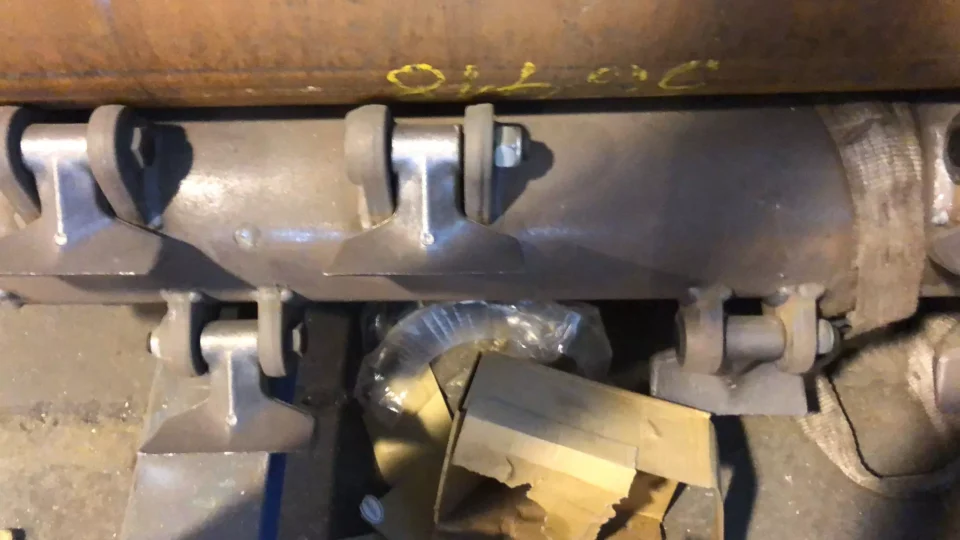
In fact, the rotor varies as the width of the required machine varies. In fact, since it is the rotating body that moves the shredder tools, a greater width of the machine body always implies a greater presence of knives or mallets, leading to a greater mechanical workload.
Therefore, it is essential to consider the following rotor components according to the needs of the farmer:
- Weight
- Rotating body tube diameter
- Machine width
The weight component is crucial in the forage harvester: in fact, the rotor takes up about 50 percent of the machine’s weight, affecting performance, especially in terms of the effort of the tractor machine to which it is attached.
The diameter of the rotating body tube also affects performance: in fact, there is a direct relationship between peripheral cutting speed and rotor tube diameter. A larger diameter leads to higher speeds in the cutting peripherals, and consequently to a machine that works faster.
This relationship, combined with the type of mulcher and the type of work to be done, can bring the rotor speed between 1,800 and 3,000 rpm.
Finally, the width of the machine affects the number of tools, mallets or knives, that will be moved by the rotor itself. A wide machine will impose more tooling, and consequently a more powerful and heavier motor body. These factors affect the total weight of the flail mower, also leading to evaluations of the tractor machine that will have to use the farm machinery.