

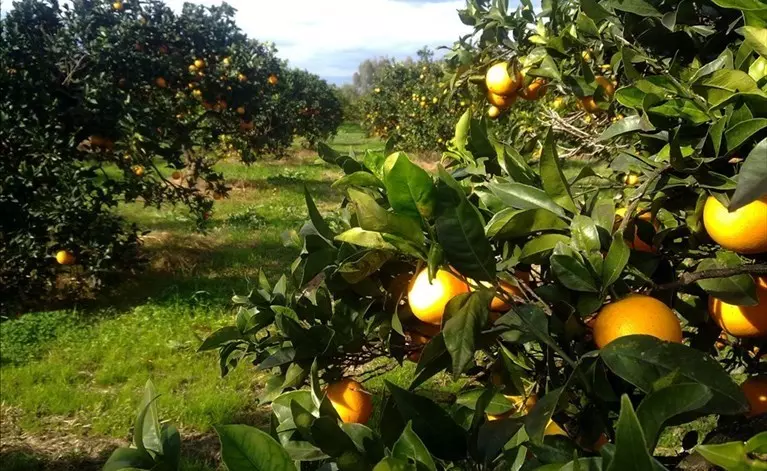
In Italy, among the most cultivated and appreciated fruits, citrus fruits have a special place, which is why it is important to know how to grow a citrus grove. This category of fruit is valued for its sweetness and slightly sour traits.
The cultivation of this food category is strongly influenced by climatic characteristics and soil morphology. This is why most of the production takes place in southern Italy (an estimated 65 percent of the total crop comes from the south), with Sicily, Calabria, Campania and Puglia credited as the regions with the highest production rate of these fruits.
While appreciated by all, citrus groves require several precautions to look perfect in the eyes of the end consumer.
How to plant a citrus tree
One of the main pointers before planting a citrus tree is to check the distance between the plants themselves, as well as any crops or buildings that obstruct the arrival of sunlight. In fact, these orchards require a large amount of sunlight to grow and thrive, which is why plant spacing is vital for optimal plant performance.
Therefore, defining the course and spacing of rows is important to better plan the crop. Ideal spacing ranges from a minimum of three meters to a maximum of five and a half meters.
In addition, to ensure proper ground alignment, it is advisable to install the tree in a voluminous hole. For background fertilization, it is ideal to mix mature compost or manure with the soil from digging the hole.
How to grow a citrus grove
For the cultivation of these orchards, one of the main traits is related to irrigation, especially since these plants are grown in very hot areas.
Also, among the best moves is definitely to act through a good layer of mulch. This practice is to ensure the least amount of wild grass growth and to maintain a good degree of moisture in the soil.
After running with fertilization, which can be done with organic or synthetic nutrients (depending on farm strategies, especially for those competing for the Organic label) it is necessary to prune the branches of the tree.
It should be remembered, however, that pruning is necessary only when the branching of plants is too dense, not allowing the development of suckers (vertical, unproductive branches). It should also be remembered that pruning should never be done between February and March, as this time of year sees a large accumulation of reserve substances in the leaves and branches. Midsummer and too dry winter should also be avoided.
To dispose of fallen branches, the ideal, and legal, practice is to make use of a high-performance mulcher that, in addition to disposing of pruning residues, must ensure a fairly fine shredding that can quickly transform the shredded material into organic fertilizer useful for tree growth and proliferation.
Those who dispose of pruning waste by burning it are committing an illegal act, and can lead to serious risks to the environment and people’s health.
the choice of the right mulcher is critical as is the choice of sprayer.
The conformation of the canopy, due to very dense vegetation, requires the farmer to choose high-performance implements. These must be able to penetrate better into the canopy with as little absorption as possible with economic benefits to the enterprise.